Artificial Turf installation
Artificial turf provides a beautiful, durable and consistent ground surface designed to maintain its appearance throughout the year. At Fusion Outdoor Living, artificial turf installation is treated as a technical process that focuses on proper base preparation, drainage control, and seamless integration with surrounding outdoor features. When installed correctly, artificial turf delivers a stable, visually uniform surface that performs reliably across changing seasons and usage demands.
In areas like North GA, where rainfall patterns, temperature changes, and soil composition can affect natural grass performance, artificial turf offers a controlled alternative. Professional installation ensures the turf remains level, drains efficiently, and resists shifting or separation over time. Artificial turf is commonly used for residential landscapes, recreational areas, and functional outdoor spaces where consistency and durability are required.
Artificial Turf Design and Planning
Artificial turf installation begins with detailed planning to ensure the finished surface aligns with the intended use of the space. Each installation requires a tailored approach based on location, slope, and integration with existing features.
Site Assessment and Surface Layout
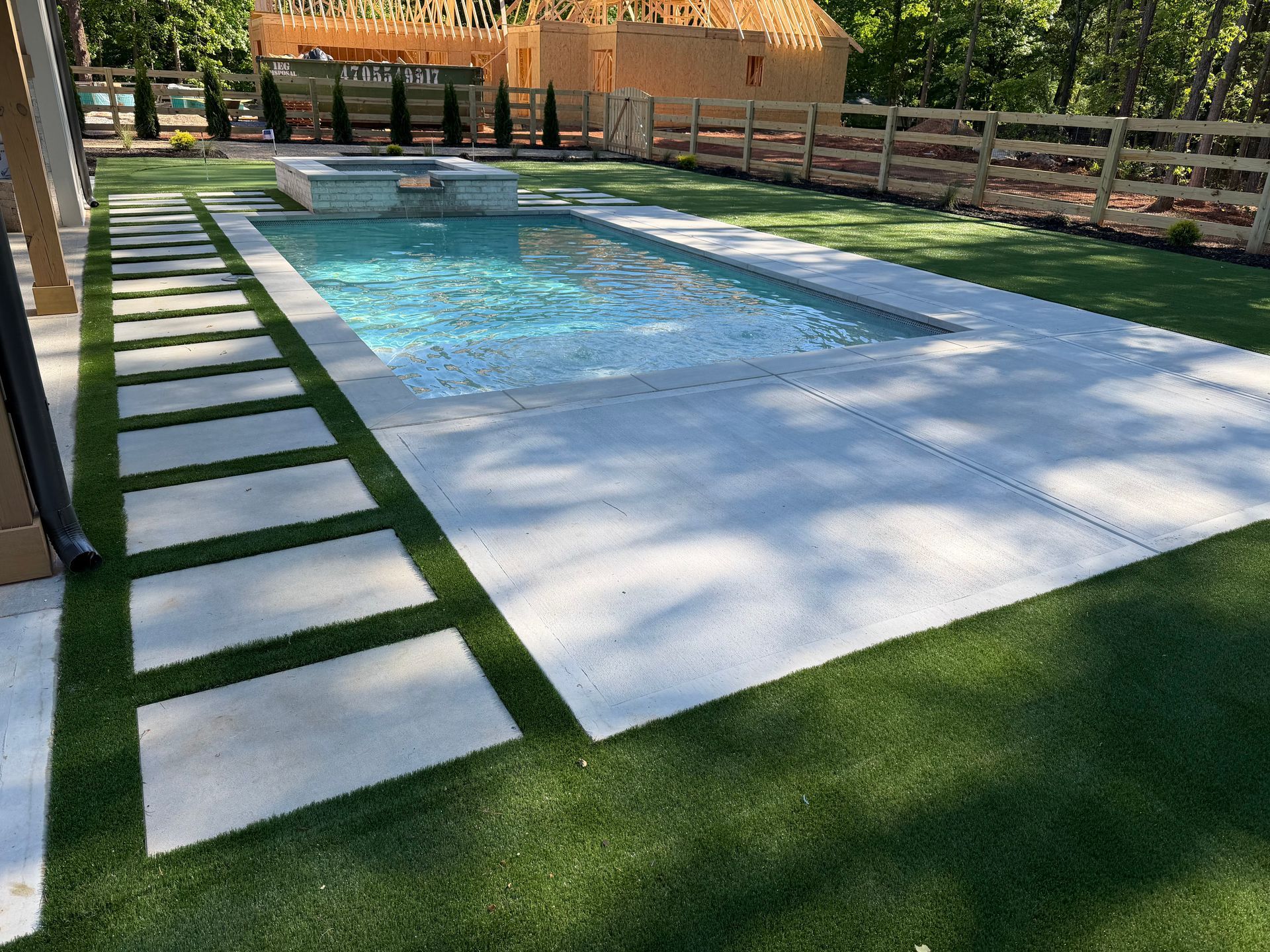
Site assessment determines how the turf area will function within the outdoor environment. Evaluations include grading conditions, drainage paths, and transitions between turf and adjacent surfaces. Layout planning establishes clean edges and defined boundaries, allowing the turf to integrate smoothly with hardscapes, landscaping, and structures.
Turf Selection and Application Planning
Artificial turf materials vary in pile height, density, and backing structure. Selection is based on how the surface will be used and how it must perform over time. Planning accounts for wear patterns, sunlight exposure, and moisture management to ensure the turf maintains its appearance and stability.
Ground Preparation and Base Installation
Proper base preparation is the most critical factor in artificial turf performance. A stable foundation prevents movement, water pooling, and surface irregularities.
Excavation and Sub-Base Preparation
The installation process begins with excavation to remove existing grass, soil, or debris. Sub-base preparation involves grading and compacting materials that support the turf system. This step establishes a level surface while allowing water to drain efficiently beneath the turf.
Compaction and Drainage Control
Compaction ensures the base remains firm under foot traffic and environmental changes. Drainage control measures are incorporated to prevent standing water and erosion beneath the turf. These steps are essential for maintaining a smooth and consistent surface over time.
Artificial Turf Installation Process
Once the base is prepared, the turf installation phase focuses on precision placement and secure attachment.
Turf Placement and Seaming
Artificial turf is carefully positioned to align with the design. Seams are minimized and placed strategically to reduce visibility and ensure structural consistency. Proper seaming techniques prevent separation and maintain a uniform appearance across the entire surface.
Securing and Infill Application
The turf is secured along edges and transition points to prevent movement. Infill materials are applied to support the turf fibers, enhance surface stability, and improve durability. Even distribution of infill ensures the turf maintains its shape and performance under regular use.
Artificial Turf Applications for Outdoor Spaces
Artificial turf is adaptable to a wide range of outdoor applications and property layouts. Its versatility makes it suitable for both functional and decorative purposes.
Residential Lawn and Landscape Integration
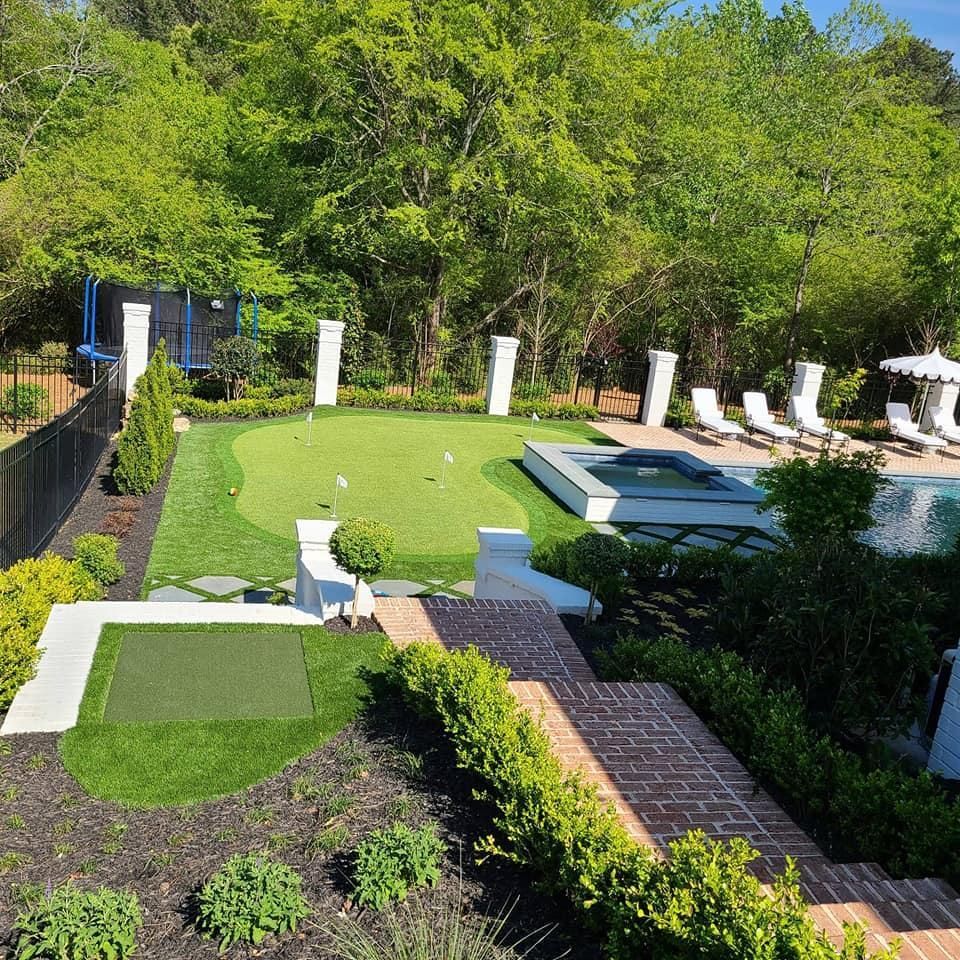
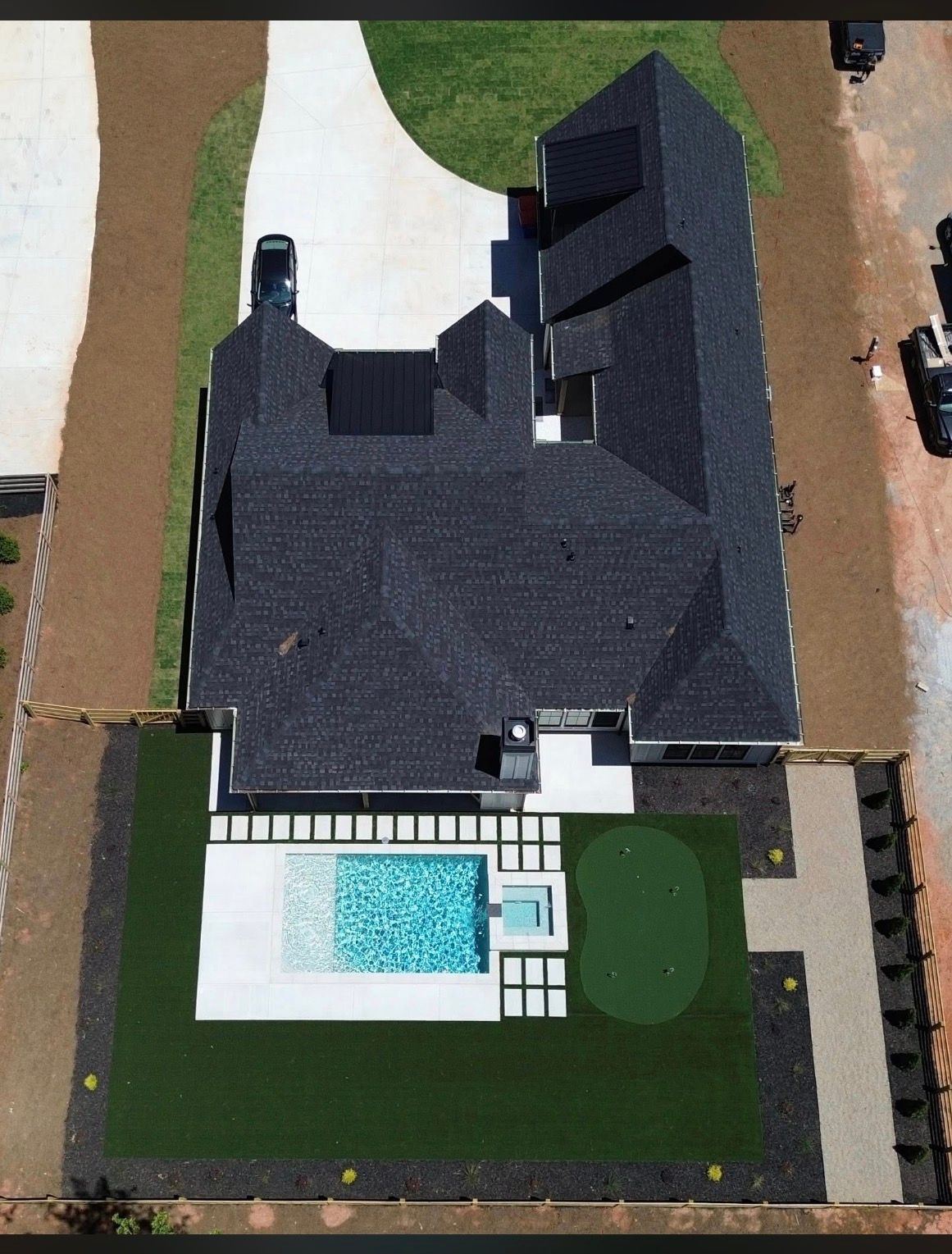
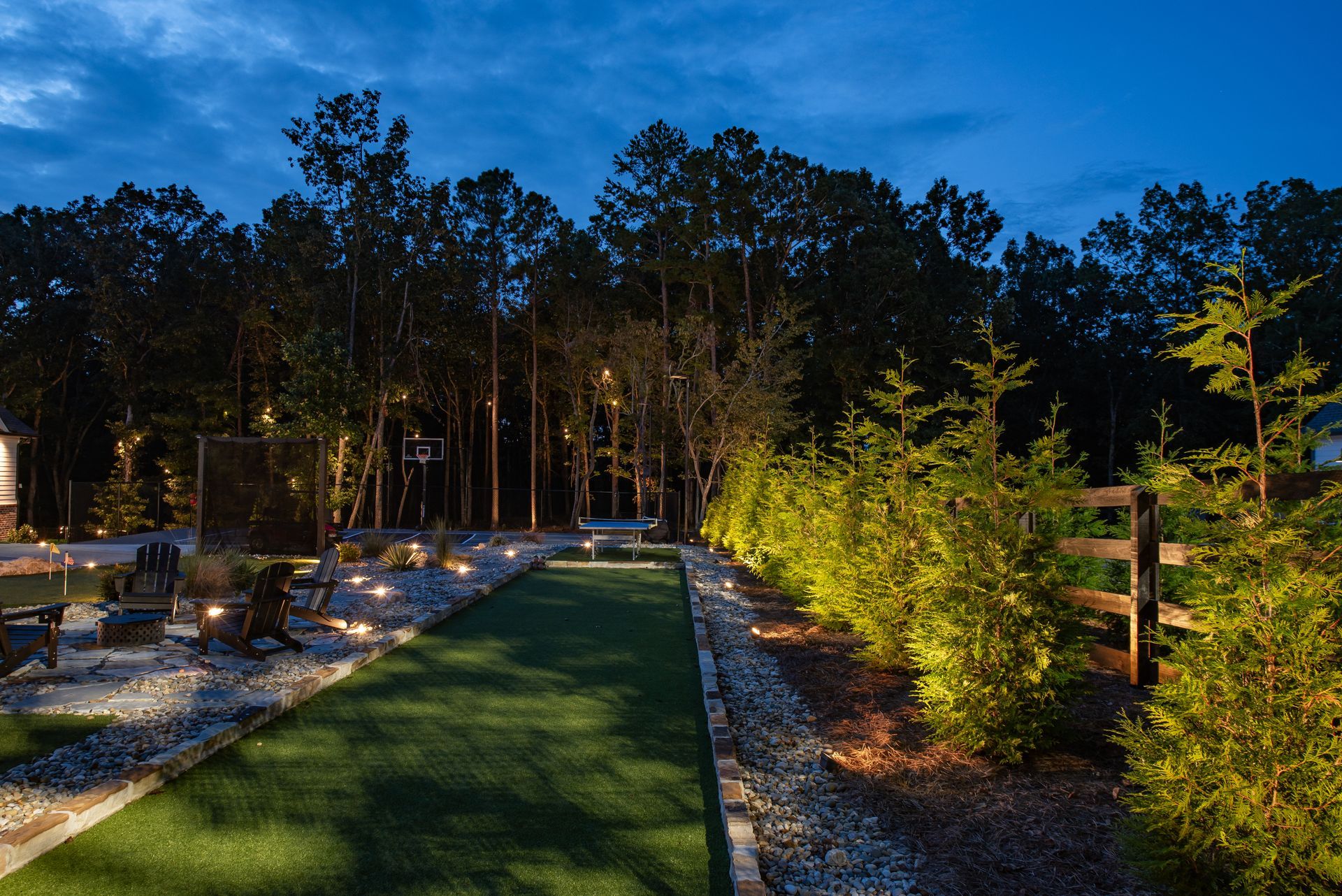
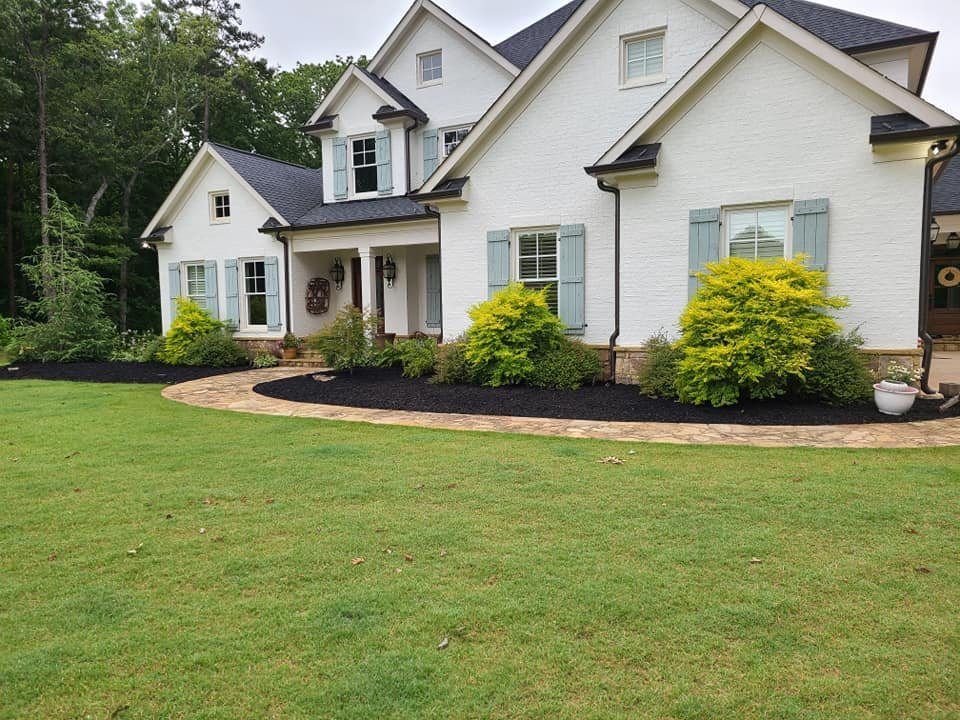
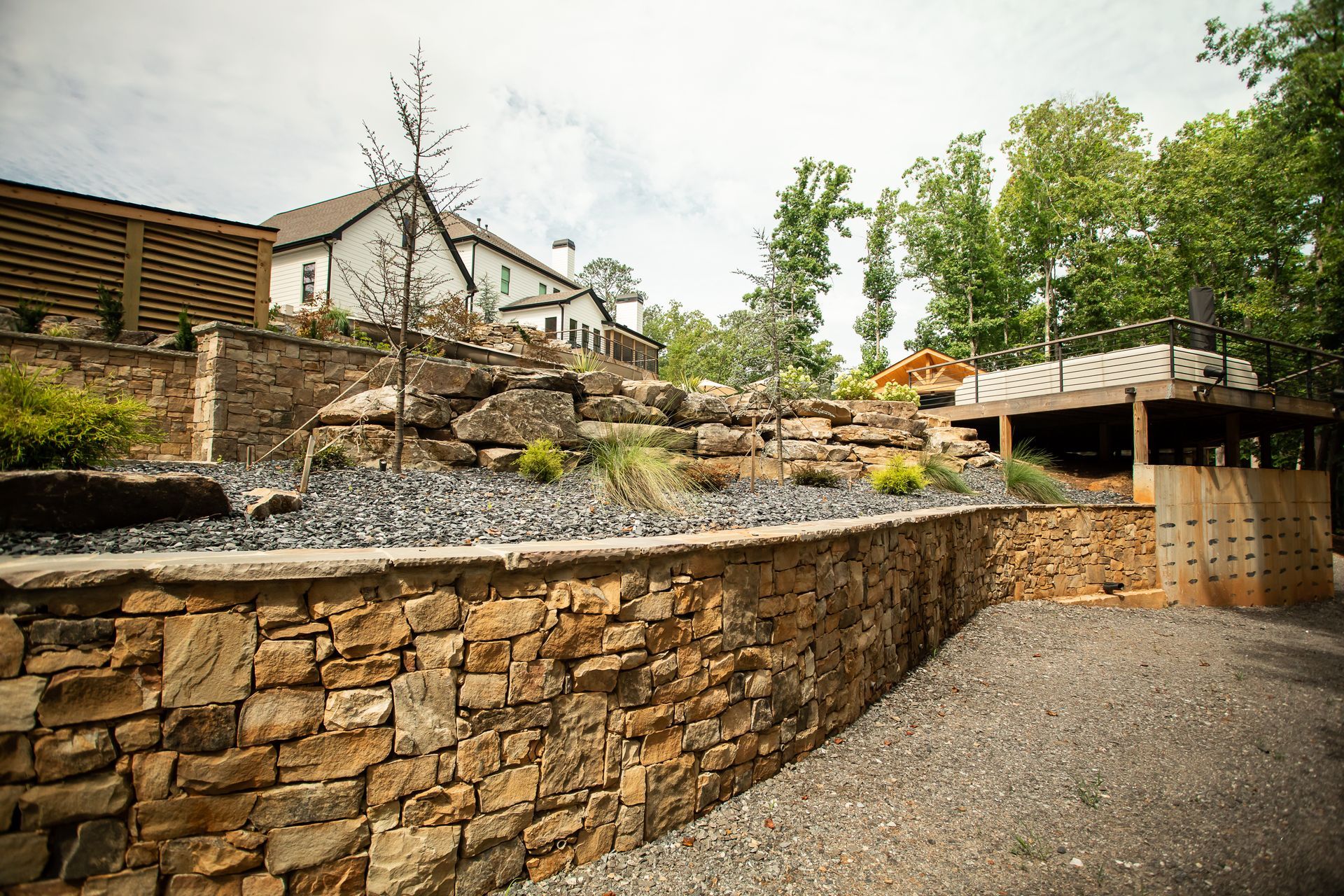
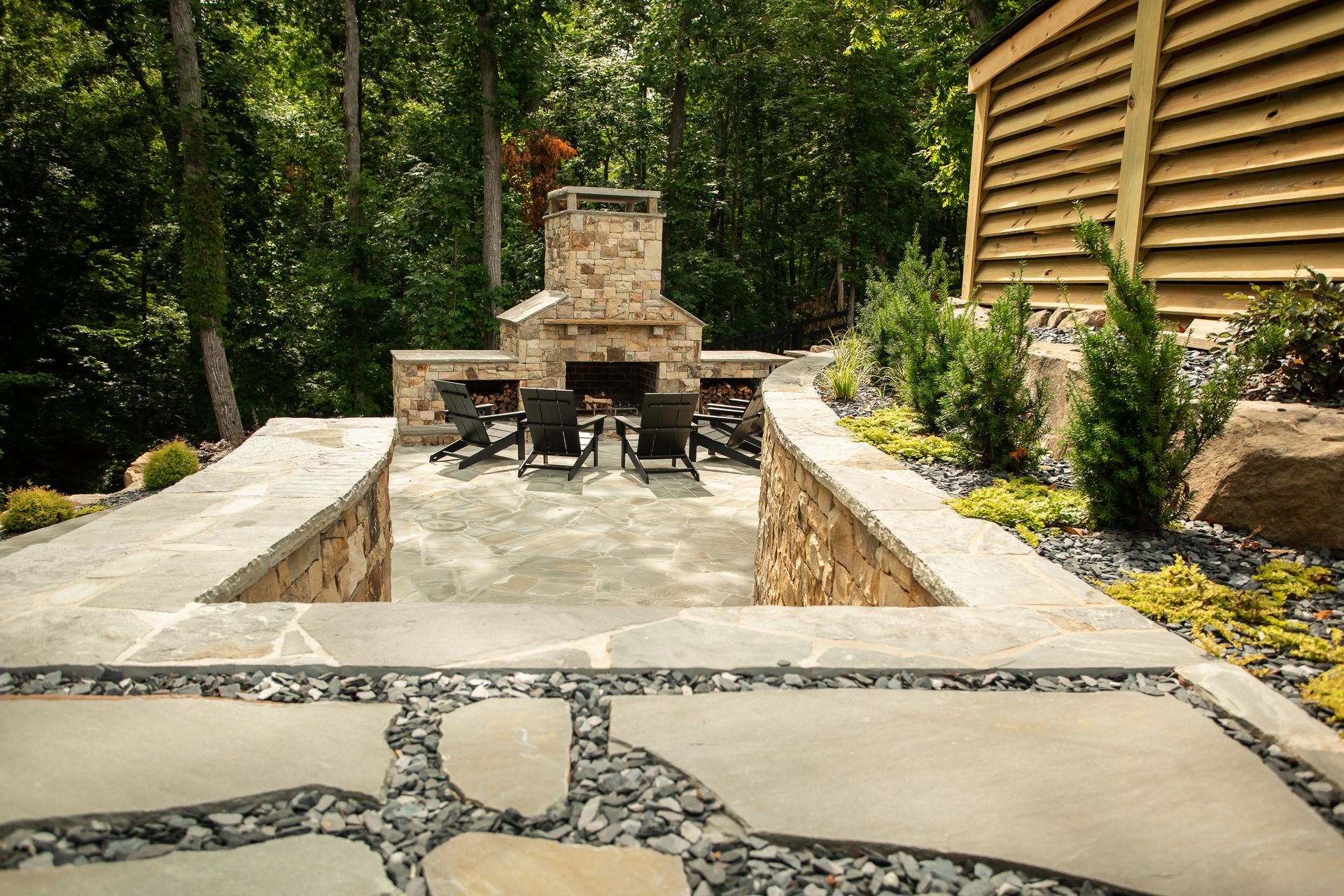
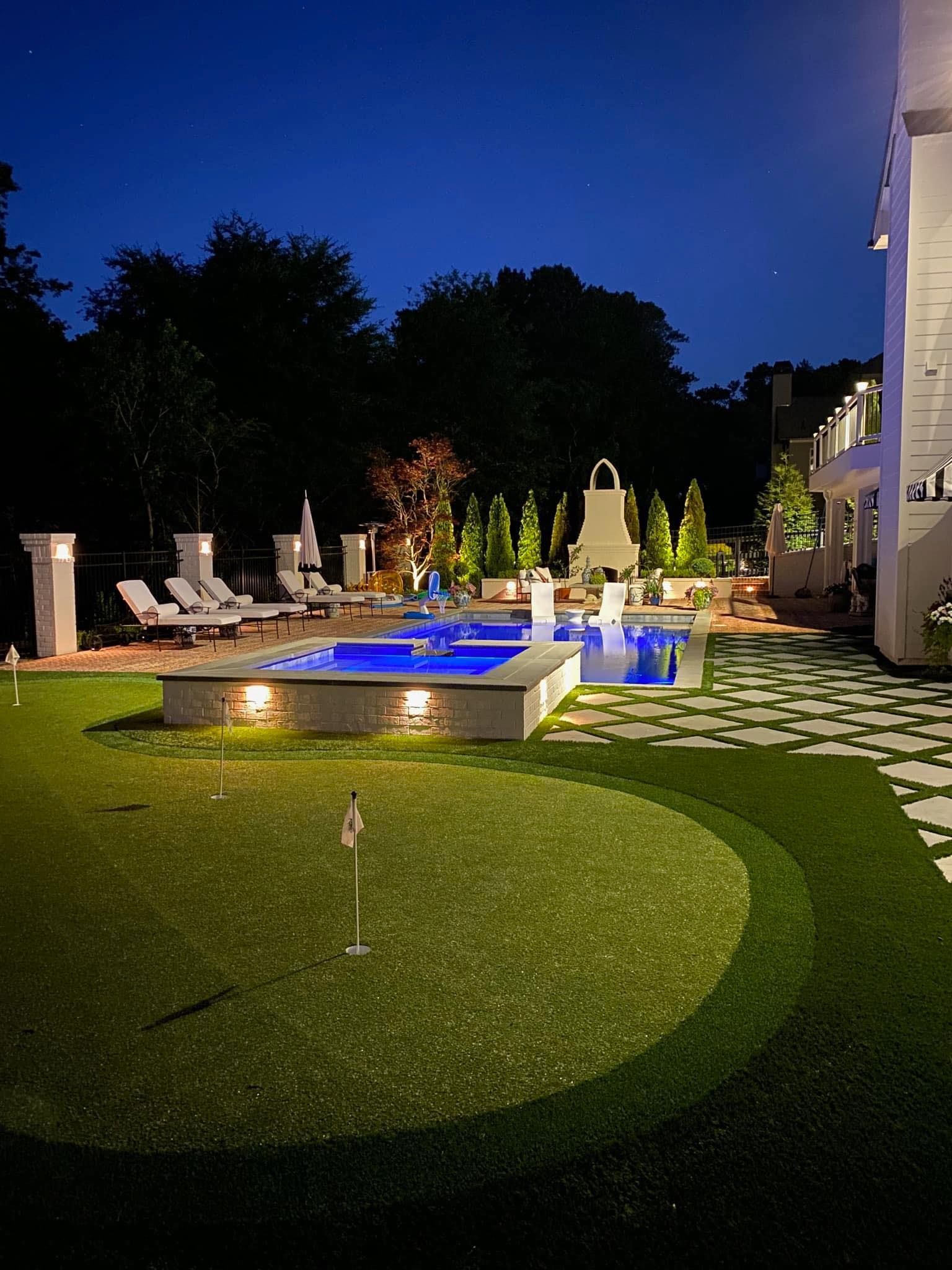
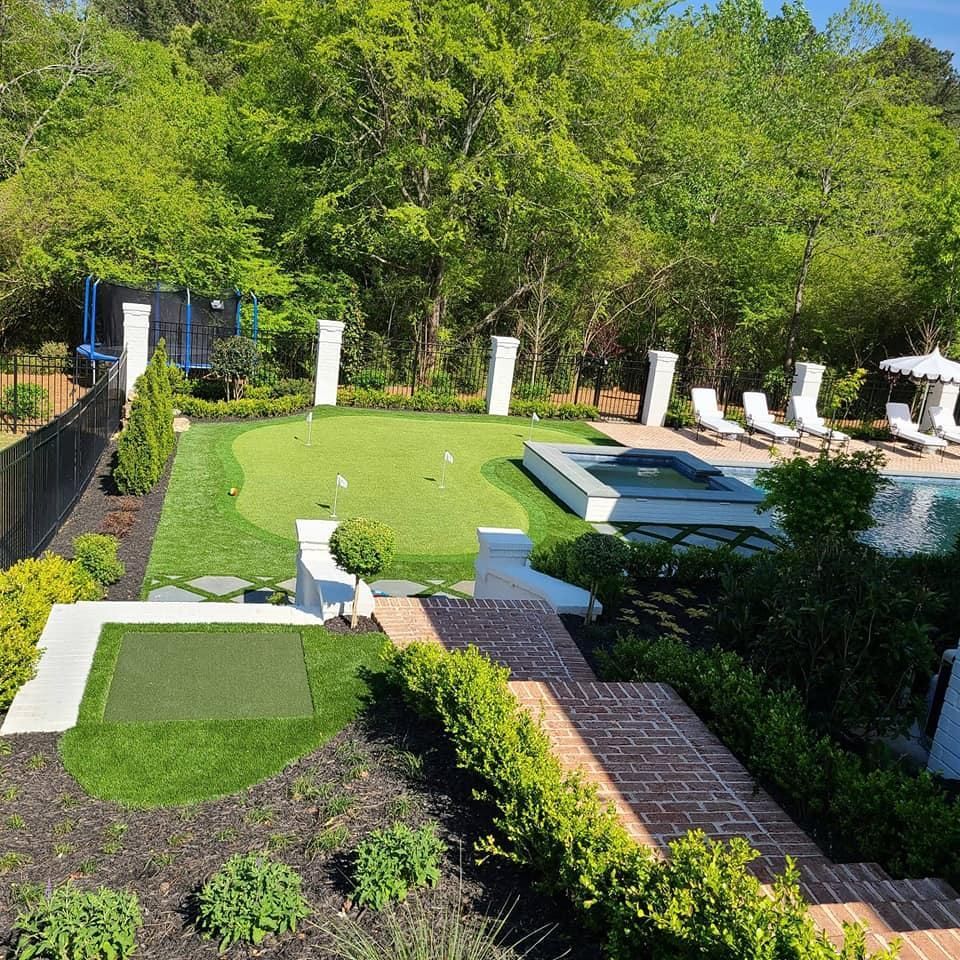
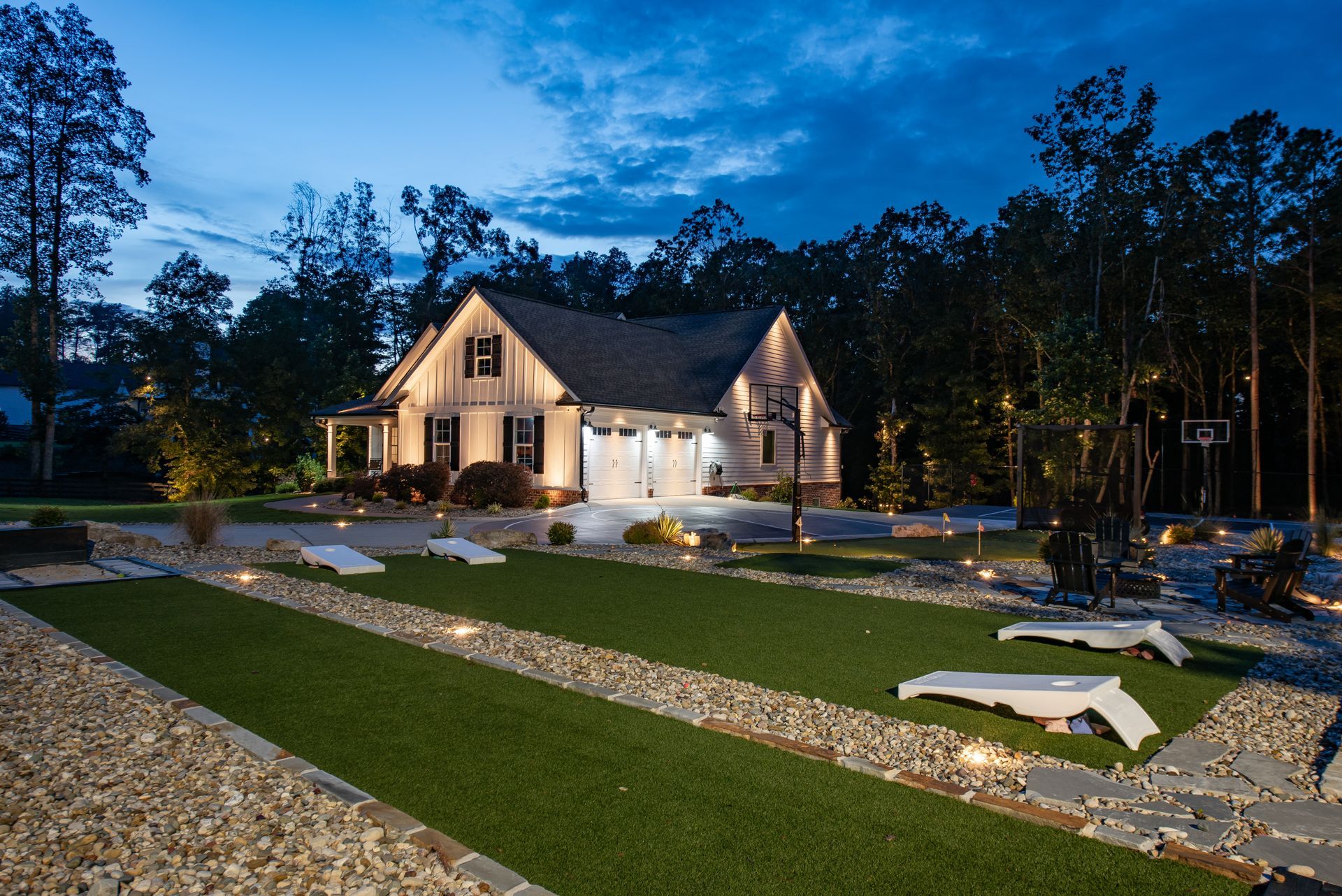
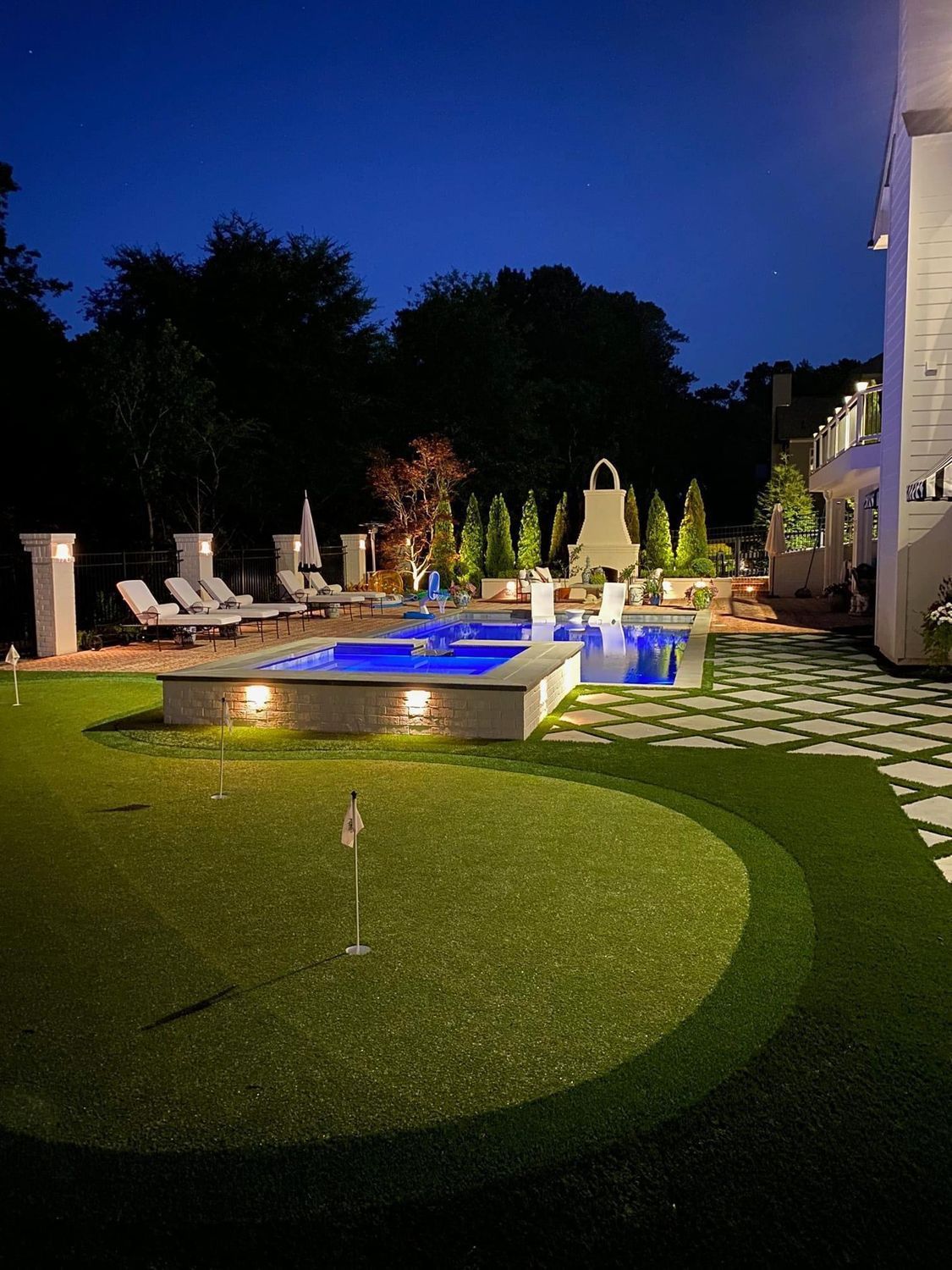
Artificial turf can replace traditional lawns or complement landscape designs by creating clean, low-maintenance green spaces. Integration with planting beds, walkways, and outdoor living areas ensures visual continuity while reducing surface maintenance concerns.
Recreational and Utility Areas
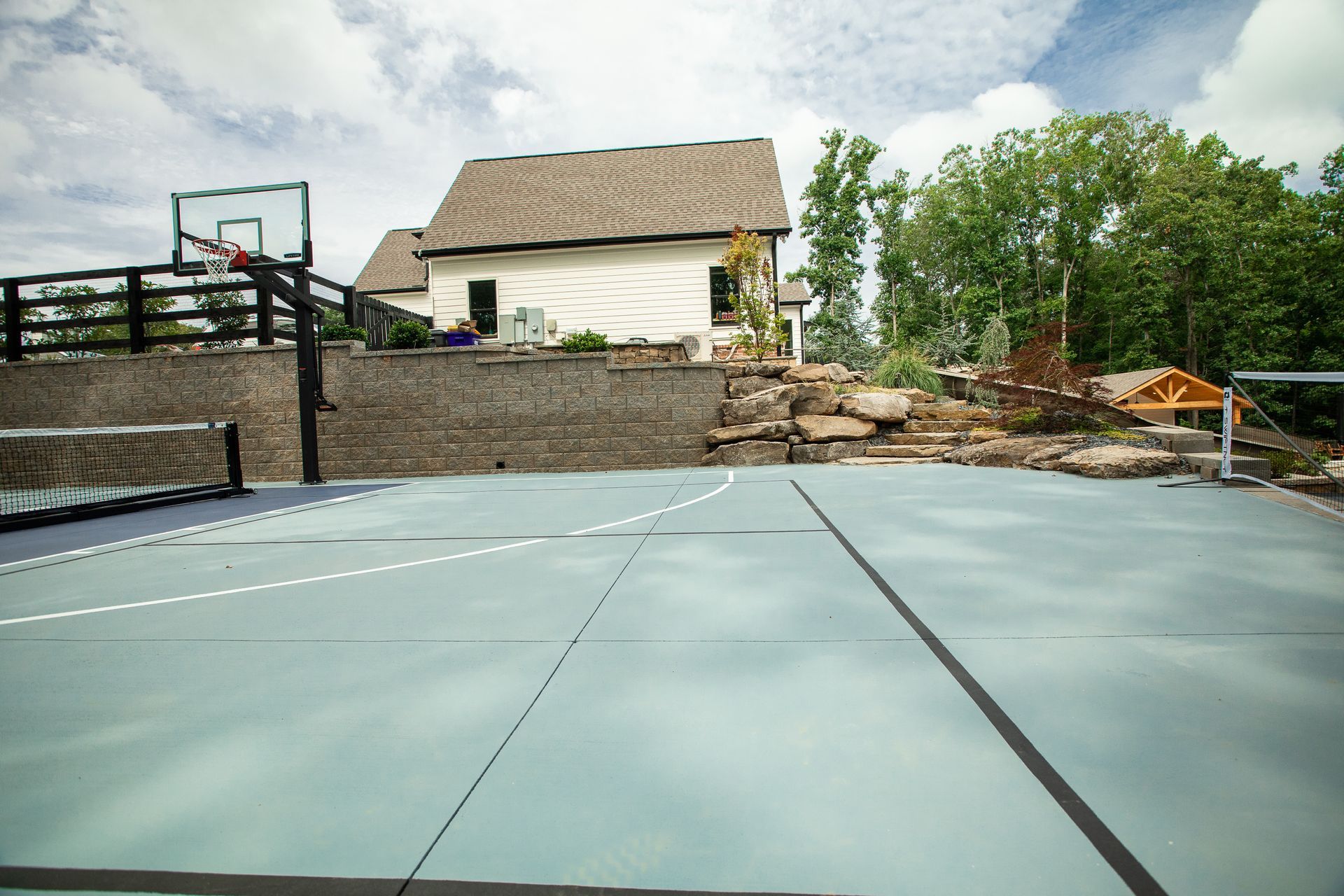
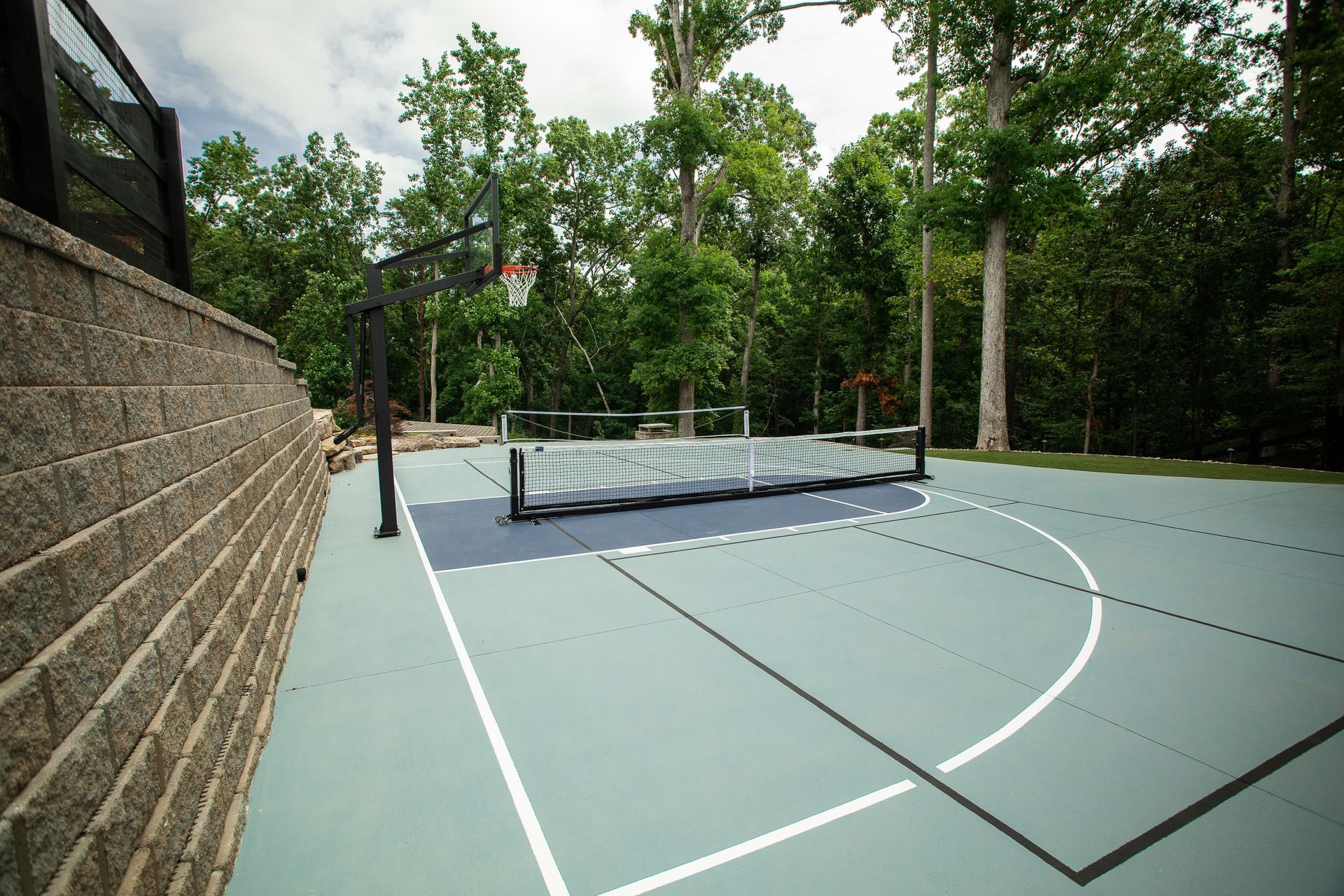
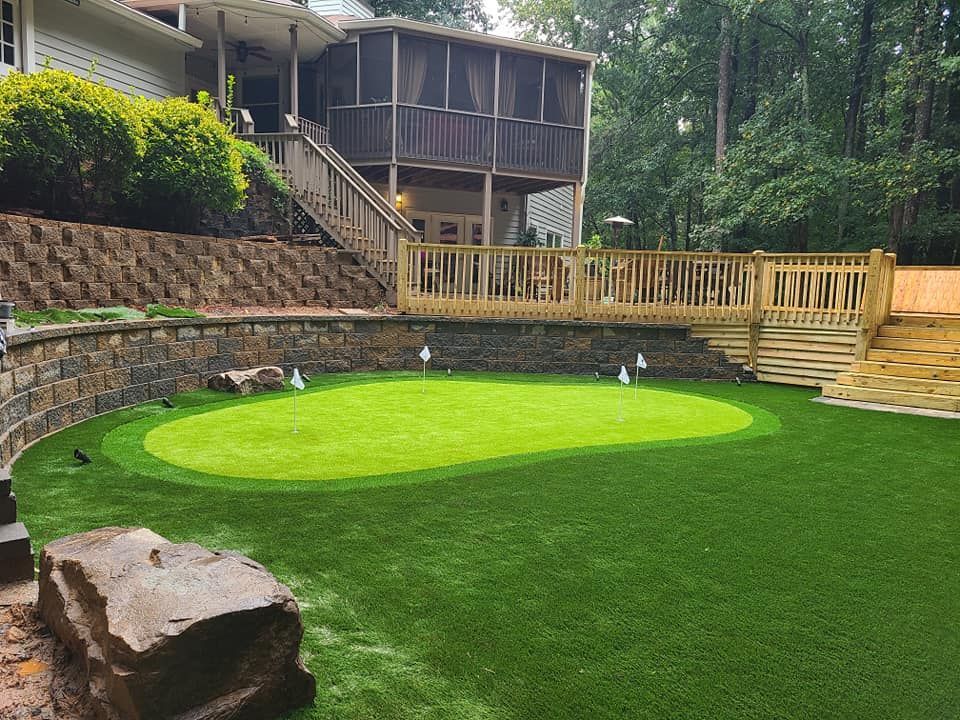
Turf surfaces are commonly used in recreational zones and utility spaces where consistent ground conditions are required. These areas benefit from the turf’s durability and resistance to wear, especially in locations where natural grass struggles to establish or maintain coverage.
Artificial Turf for New Installations and Renovations
Artificial turf can be incorporated into new outdoor designs or added as part of an upgrade to existing spaces. Each approach requires careful coordination with surrounding features.
Turf Installation for New Outdoor Projects
For new outdoor developments, turf installation can be planned alongside grading and hardscape construction. This allows for seamless integration and efficient preparation of the base layers. Early planning ensures the turf aligns with elevation changes and drainage systems.
Turf Replacement and Landscape Renovation
Existing landscapes may be upgraded by replacing natural grass or outdated surfaces with artificial turf. Renovation-based installations focus on correcting drainage issues, refining layout boundaries, and improving surface stability while preserving nearby features.
Long-Term Performance and Surface Stability
Artificial turf is designed to deliver long-term performance when installed correctly. Proper base construction, secure placement, and consistent infill support help the turf retain its shape and appearance over time. Attention to installation details reduces the likelihood of shifting, uneven wear, or drainage problems.
Artificial turf installation requires a methodical approach that balances surface preparation, material selection, and precise installation techniques. Fusion Outdoor Living
delivers turf installations that provide consistent performance, clean transitions, and durable surfaces suited for a wide range of outdoor applications.